
Ultimate Startup Term Sheet Guide: Key Insights and Must-Know Tips

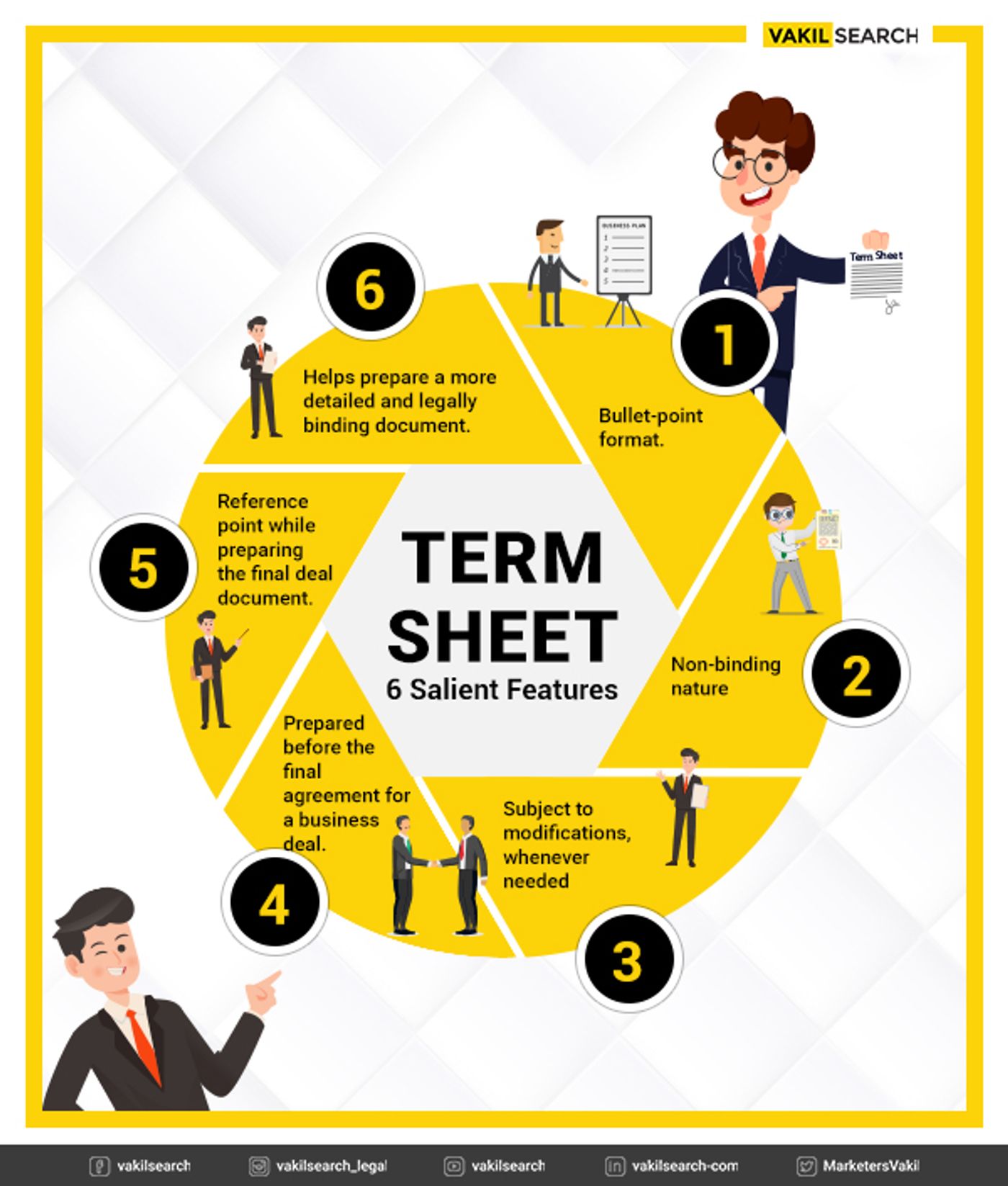
A term sheet is a document that outlines the terms and conditions of an investment between a startup founder and an investor. It is a crucial document in the startup world, as it lays the foundation for the venture capital investment relationship and the terms in the final contract. The term sheet is usually non-binding, but it is the first formal agreement between the two parties and is used to negotiate the final terms of the investment.
Understanding term sheets is essential for startups as it can make or break a deal. The key terms on a term sheet can have significant consequences, and knowing how to negotiate them can be the difference between a successful or unsuccessful funding round. Key terms include the valuation and all equity ownership clauses, which define the business valuation, how much new investors will get as part of the round, and how much the founder should give.
Negotiating term sheets can be a daunting task for startup founders, but it is crucial to ensure that both parties' interests are aligned. This article will provide a comprehensive guide to term sheets for startups, covering everything from understanding the key terms to negotiating them successfully.
Key Takeaways
- A term sheet is a document that outlines the terms and conditions of an investment between a startup founder and an investor.
- Key terms include the valuation and all equity ownership clauses, which define the business valuation, how much new investors will get as part of the round, and how much the founder should give.
- Negotiating term sheets can be a daunting task for startup founders, but it is crucial to ensure that both parties' interests are aligned.
What is a Term Sheet
A term sheet is a legal document that outlines the key terms and conditions of a potential investment agreement between a startup and an investor. It is a non-binding agreement that serves as a basis for negotiations between the parties involved. The term sheet covers all aspects of the investment, including the investment amount, valuation, and special rights.
Elements of Term Sheets
Term sheets typically include the following elements:
- Investment amount: The amount of money the investor is willing to invest in the startup.
- Valuation: The pre-money and post-money valuation of the startup.
- Special rights: These are rights that are granted to investors that are not available to common shareholders. These can include veto rights, liquidation preferences, and anti-dilution provisions.
- Board composition: The number of board seats that the investor will have and who will fill those seats.
- Vesting: The period of time over which the investor's shares will vest.
- Warranties and representations: These are statements made by the startup about its financial condition, intellectual property, and other relevant matters.
It is important for startups to carefully review and negotiate the terms of the term sheet before signing it. While the term sheet is not legally binding, it can have a significant impact on the final investment agreement.
Valuation and Funding
When it comes to term sheets, one of the most important aspects is the valuation and funding of the startup. Valuation refers to the process of determining the worth of a company, while funding is the money that is invested in the company. In a funding round, the valuation is used to determine how much equity the investors will receive in exchange for their investment.
Equity and Dilution
Equity refers to the ownership stake in a company. When investors put money into a startup, they are buying a percentage of the company's equity. This means that the founders' ownership stake in the company is diluted. Dilution occurs when new shares of stock are issued, which reduces the percentage of the company that the founders own.
One way to avoid excessive dilution is to negotiate a higher valuation for the startup. This means that investors will be buying a smaller percentage of the company's equity, which will result in less dilution for the founders.
It is important for founders to carefully consider the terms of the funding round and the resulting dilution before accepting any investment. They should also negotiate for the best possible valuation to minimize the dilution of their ownership stake.
Related Posts:
Investors and Their Interests
When it comes to term sheets, it's important to understand the interests of investors. Investors, such as venture capitalists, provide funding to startups with the hope of earning a return on their investment. As a result, they have certain rights and provisions in term sheets that protect their investment and ensure they have a say in the company's decision-making.
Investor Rights and Provisions
One of the most important aspects of a term sheet for an investor is the rights and provisions they are granted. These may include:
- Board of Directors: Investors may require a seat on the board of directors to have a say in the company's decision-making.
- Protective Provisions: These provisions give investors the right to approve certain actions, such as selling the company or issuing more shares.
- Anti-Dilution Protection: This provision protects the investor's ownership percentage in the event that the company issues more shares in the future.
It's important for startup founders to understand these provisions and negotiate them carefully. While investors have a right to protect their investment, founders also need to ensure they have enough control over the company to make it successful.
Related Posts:
- How To Interact With Your Investors
- Uncovering the Secrets: What VCs Really Look for in Startup Assessments
- How to Choose the Right Investors for Your Startup: Essential Tips and Strategies
- What Should Angel Investors Look For In A Startup?
Negotiating Term Sheets
Negotiating term sheets is a crucial step in securing funding for a startup. It involves a back-and-forth between the startup and the investor to agree on the terms and conditions of the investment. While the term sheet is non-binding, it sets the foundation for the final legal agreement.
Common Negotiation Points
The following are some common negotiation points that startups should be aware of when negotiating term sheets:
- Valuation: This is the most important negotiation point. The startup and the investor need to agree on the pre-money valuation of the company. Startups should have a clear understanding of their valuation and be able to justify it to the investor.
- Control: The term sheet should specify the level of control the investor will have over the company. Startups should negotiate to maintain control over their company, while investors will want some level of control to protect their investment.
- Equity: The term sheet should specify the amount of equity the investor will receive in exchange for their investment. Startups should negotiate to minimize the dilution of their equity.
- Vesting: The term sheet should specify the vesting schedule of the equity. This determines when the investor's equity will become fully vested. Startups should negotiate for a longer vesting schedule to incentivize the investor to remain committed to the company.
- Liquidation Preferences: The term sheet should specify the order in which investors will be paid in the event of a liquidation. Startups should negotiate to ensure that all investors are treated fairly in the event of a liquidation.
- Board Composition: The term sheet should specify the composition of the board of directors. Startups should negotiate to ensure that they have a say in the composition of the board.
It is important for startups to have legal counsel during the negotiation process to ensure that their interests are protected.
Related Posts:
- Term Sheet Tactics: How to Navigate Pre-Seed Startup Funding
- How to Create a Winning Business Pitch Video for Your Startup
- Pitching Your Startup to Investors: Master the Art
- Ultimate Guide to Investing in Early-Stage Startups: Tips and Strategies
- The Perfect Pitch Deck