
Agtech Startups: Strategies, Business Models, and Profitable Niches to Consider

The agriculture industry is rapidly evolving, and technology is playing a significant role in driving this change. Agtech or agritech startups are at the forefront of this transformation, developing innovative solutions that help farmers increase productivity, reduce costs, and improve sustainability. However, with so many startups entering the market, it can be challenging to know which strategies, business models, and niches are most profitable.
One strategy that many successful agtech startups have adopted is to focus on a specific niche within the industry. This allows them to develop a deep understanding of the needs and challenges facing farmers in that niche and tailor their solutions accordingly. For example, some startups are focused on precision agriculture, using sensors and data analytics to help farmers optimize crop yields and reduce waste. Others are focused on sustainable agriculture, developing solutions that reduce the environmental impact of farming practices.
While there are many opportunities in the agtech space, there are also significant risks. Startups must navigate complex regulatory environments, manage supply chain risks, and compete with established players in the industry. However, by developing a clear strategy, focusing on a profitable niche, and building strong partnerships with farmers and other stakeholders, agtech startups can overcome these challenges and succeed in this exciting and rapidly growing industry.
Overview of Agtech Startups
Agtech startups are companies that use technology to solve problems in the agriculture industry. These startups aim to increase efficiency, reduce waste, and improve sustainability in farming practices. The agtech landscape has been rapidly evolving in recent years, with the industry experiencing significant growth and investment.
According to Pitchbook, agtech startups raised $11.4 billion in venture capital deal value in 2020. In 2021, agtech startups continued to attract significant investment, with $1.9 billion raised in Q1 alone. This growth has been driven by increasing demand for sustainable and efficient farming practices, as well as advancements in technology such as machine learning, precision agriculture, and blockchain.
Agtech startups operate across a range of business models, including hardware, software, and service-based models. Some startups focus on developing new technologies, while others aim to improve existing farming practices. The profitability of agtech startups depends on factors such as market demand, competition, and regulatory environment.
However, agtech startups also face significant risks, including regulatory hurdles, high capital requirements, and the challenge of scaling their products and services. Despite these challenges, the potential benefits of agtech startups in terms of increasing efficiency and sustainability in agriculture make them an attractive investment opportunity.
Related Posts:
Understand the Agtech industry
The Agtech industry is a rapidly growing sector that has the potential to revolutionize the agriculture industry. Agtech startups are focused on developing innovative technologies that can increase the efficiency and productivity of farming operations, improve crop yields and quality, and reduce the environmental impact of agriculture.
To understand the Agtech industry, it is important to recognize the key trends and challenges that are shaping the sector. Some of the major trends in the Agtech industry include:
- Digitalization of farming operations: The use of digital technologies such as sensors, drones, and artificial intelligence (AI) is becoming increasingly common in farming operations. These technologies enable farmers to monitor crop growth, soil health, and weather conditions in real-time, allowing them to optimize their operations and make data-driven decisions.
- Focus on sustainability: There is a growing demand for sustainable agriculture practices that minimize the environmental impact of farming operations. Agritech startups are developing technologies that can help farmers reduce their use of pesticides and fertilizers, conserve water, and reduce greenhouse gas emissions.
- Increased investment: The Agtech industry has attracted significant investment in recent years, with venture capital firms and other investors pouring billions of dollars into Agtech startups. This investment has fueled the development of new technologies and helped to scale up existing ones.
However, the Agtech industry also faces a number of challenges that must be addressed in order to achieve widespread adoption and success. Some of the key challenges include:
- Fragmentation: The agriculture industry is highly fragmented, with many small and medium-sized farms operating independently. This makes it difficult for Agtech startups to scale their technologies and achieve widespread adoption.
- Lack of standardization: There is a lack of standardization in data architecture and cross-platform interoperability, which makes it difficult for Agtech startups to integrate their technologies with existing farming operations.
- Resistance to change: Farmers are often resistant to change and may be hesitant to adopt new technologies that they perceive as risky or unproven.
Despite these challenges, the Agtech industry is poised for continued growth and innovation. By understanding the key trends and challenges in the industry, Agtech startups can develop strategies and business models that address these challenges and capitalize on the opportunities presented by this rapidly growing sector.
Business Models in Agtech
Agtech startups are using various business models to bring innovation to the agriculture industry. The most common business models in agtech include:
- Subscription-based: This model involves charging a recurring fee for access to a product or service. Agtech startups can use this model to offer farmers access to data analytics, precision agriculture tools, and other services.
- E-commerce: This model involves selling products directly to farmers through an online platform. Agtech startups can use this model to sell inputs, equipment, and other products directly to farmers.
- Marketplace: This model involves connecting buyers and sellers through an online platform. Agtech startups can use this model to connect farmers with suppliers, buyers, and other service providers.
- Software-as-a-Service (SaaS): This model involves charging a recurring fee for access to software. Agtech startups can use this model to offer farmers access to data analytics, precision agriculture tools, and other software-based services.
Agtech startups can also use a combination of these models to create unique value propositions for their customers.
It is important for agtech startups to choose a business model that aligns with their goals, values, and target market. Startups should also consider factors such as customer acquisition costs, revenue streams, and scalability when choosing a business model.
In summary, there are several business models that agtech startups can use to bring innovation to the agriculture industry. Startups should choose a business model that aligns with their goals, values, and target market, and consider factors such as customer acquisition costs, revenue streams, and scalability.
Related Posts:
- Choosing the Best Startup Business Model: Strategies for Success
- Understanding Startup Burn Rate: A Comprehensive Guide to Definition and Calculation
- Startup Pricing Strategy: Finding the Sweet Spot for Your Startup
Profitable Niches in Agtech
Agtech startups have the potential to revolutionize the agriculture industry by improving crop yields, reducing waste, and increasing efficiency. However, not all niches within the Agtech sector are equally profitable. In this section, we will explore some of the most profitable niches in Agtech.
Precision Agriculture
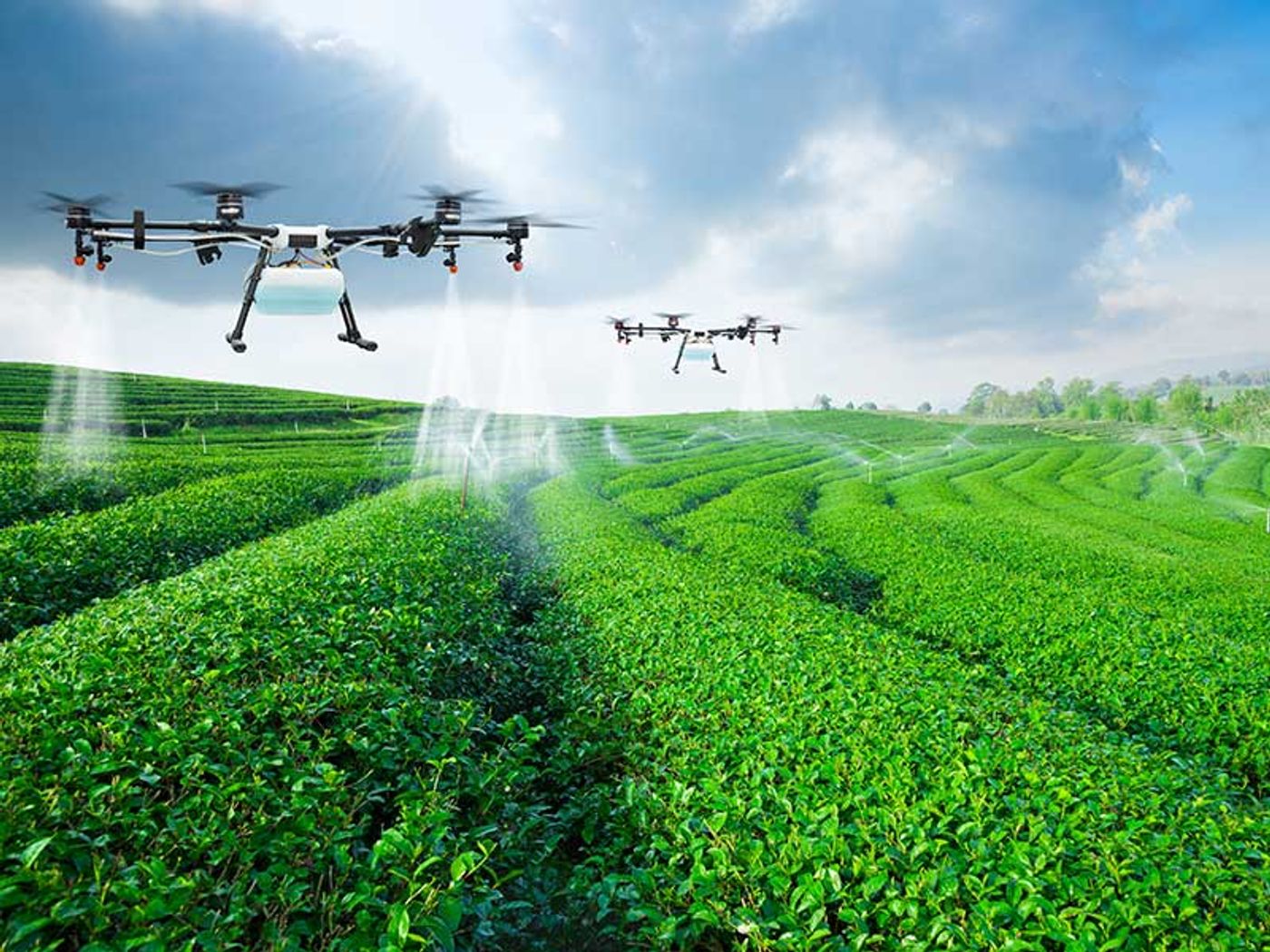
Precision agriculture is the use of technology to optimize crop yields and reduce waste. This niche includes a variety of technologies, such as sensors, drones, and machine learning algorithms. By using these technologies, farmers can monitor crop growth in real-time, adjust irrigation and fertilizer application rates, and identify potential problems before they become serious.
Vertical Farming
Vertical farming is the practice of growing crops in vertically stacked layers, using artificial lighting and climate control systems to create the ideal growing environment. This niche has the potential to revolutionize the way we grow crops, by allowing us to produce more food in less space, with fewer resources. Vertical farming is particularly well-suited to urban areas, where space is at a premium.
Indoor Farming
Indoor farming is similar to vertical farming, but instead of using stacked layers, crops are grown in a single indoor space. This niche is particularly well-suited to crops that require a very specific environment, such as mushrooms or microgreens. Indoor farming can also be used to grow crops year-round, regardless of the weather outside.
Regenerative Agriculture
Regenerative agriculture is a holistic approach to farming that focuses on building healthy soil, increasing biodiversity, and reducing the use of synthetic fertilizers and pesticides. This niche is particularly well-suited to small-scale farmers who are interested in sustainable agriculture practices. Regenerative agriculture can also help to reduce the environmental impact of farming, by reducing soil erosion and improving water quality.
Overall, Agtech startups have the potential to revolutionize the agriculture industry by improving crop yields, reducing waste, and increasing efficiency. By focusing on these profitable niches, Agtech startups can create innovative solutions that benefit farmers, consumers, and the environment.
Role of AI and New Technologies
Agtech startups are increasingly leveraging new technologies to increase efficiency and productivity in agriculture. One of the most significant technologies used by Agtech startups is AI. AI is used to analyze large amounts of data, enabling farmers to make informed decisions about planting, harvesting, and crop management. AI can also help farmers predict weather patterns and identify potential pest and disease outbreaks before they occur.
New technologies such as blockchain, drones, and sensors are also being used to improve agriculture. Blockchain technology is being used to improve traceability and transparency in the food supply chain, while drones are being used to survey crops and collect data on soil conditions. Sensors are being used to monitor soil moisture and nutrient levels, allowing farmers to optimize irrigation and fertilizer use.
However, Agtech startups must be aware of the risks associated with new technologies. For example, drones can be expensive to operate and maintain, and there are concerns about privacy and data security. Agtech startups must also ensure that their technologies are accessible and affordable for farmers, particularly those in developing countries.
Overall, AI and new technologies have the potential to revolutionize agriculture, but Agtech startups must carefully consider the risks and challenges associated with these technologies.
Related Posts:
Investment Landscape
Agtech startups have been attracting significant attention from investors in recent years. The industry has seen a surge in funding, with venture capital (VC) activity in the sector increasing substantially. According to Crunchbase, VC-backed startups in the AgTech space received over $5 billion in funding over 440 deals in 2021, compared to $3.3 billion over 422 deals in 2020. In Q1 2023, the average AgTech investment round shrunk to $6.6 million from $13.4 million in Q4 2022.
Investors have been more cautious in their investment approach and sensitive to valuations in 2023. There has been a greater focus on the fundamentals of the businesses, path to profitability, and the potential for long-term success. Agtech startups that can demonstrate a clear path to profitability and growth are more likely to attract investment.
Angel investors and VC firms look for specific characteristics when evaluating startups. According to Pitchdrive, startups must have a clear problem they are solving, a large and growing market, a strong team with relevant experience, a clear business model, and a defensible competitive advantage. Investors also look for startups that have achieved some level of traction, whether it be customer acquisition, revenue growth, or partnerships.
Despite the growing interest in AgTech startups, there are still risks associated with investing in the sector. The industry is highly regulated and subject to significant market and technological risks. Startups must navigate complex regulatory frameworks, changing market conditions, and evolving technologies to succeed. Investors must carefully evaluate potential investments and assess the risks associated with the startup's business model, market, and technology.
Related Posts:
- What Should Angel Investors Look For In A Startup?
- Uncovering the Secrets: What VCs Really Look for in Startup Assessments
- Investing in Early Stage Startups: Tips and Strategies
- How Does The Investment Landscape Look Right Now?
Risks and Challenges
While agtech startups offer great potential for growth and profitability, there are also risks and challenges that need to be considered. Here are some of the most common risks and challenges that agtech startups face:
Climate Change
Climate change presents a significant risk to the agriculture industry, and by extension, to agtech startups. Changes in weather patterns, increased frequency and intensity of natural disasters, and other climate-related factors can impact crop yields and production. Agtech startups must consider the potential impact of climate change on their business models and develop strategies to mitigate these risks.
Sustainability
Sustainability is an important consideration for agtech startups. Consumers are increasingly concerned about the environmental impact of agriculture and are looking for sustainable solutions. Agtech startups must develop business models that are environmentally sustainable and address the concerns of consumers.
Other Risks and Challenges
In addition to the above, agtech startups also face other risks and challenges such as regulatory hurdles, intellectual property issues, and competition from established players in the industry.
Overall, agtech startups must be prepared to navigate these risks and challenges in order to succeed in the industry.
Global Agtech Scenario
The global agtech market has been rapidly growing in recent years, with a significant increase in the number of startups and investments. According to Pitchbook, agtech startups raised $1.9 billion in VC funding across 172 deals in Q1 2023. The pre-money valuation levels have also jumped nearly 20% from 2022 to hit a median value of $16.5 million. Late-stage and venture-growth generated the most traction in 2022 agtech numbers, capturing 74.2% of total VC funding and bucking industry-wide trends.
India is one of the largest agricultural producers in the world, and the Indian government has been actively promoting the use of technology in agriculture. However, agtech product adoption is still low in India, with only about 9 percent of farmers using or planning to use at least one agtech product, according to McKinsey. The major challenges in India include low literacy rates, lack of access to credit, and limited infrastructure. Nevertheless, there are several successful agtech startups in India, such as AgroStar, which provides agronomy advice and sells farm inputs through a mobile app.
China is another major agricultural producer, and the Chinese government has been investing heavily in agtech. The Chinese agtech market is dominated by large companies such as Tencent-backed XAG, which produces agricultural drones, and JD.com, which has launched an online platform for selling agricultural products. However, there are also several smaller startups that are making an impact, such as Xibuqing, which uses AI and big data to provide precision agriculture services.
Brazil is the largest agricultural producer in Latin America, and the Brazilian government has been promoting the use of agtech to increase productivity and sustainability. The Brazilian agtech market is still in its early stages, but there are several promising startups, such as Agrosmart, which provides precision agriculture services, and Strider, which offers a crop monitoring platform. However, the Brazilian market is also facing challenges such as limited access to credit and a lack of infrastructure in rural areas.
Overall, the global agtech market is expected to continue growing in the coming years, driven by the increasing demand for food, the need for sustainable agriculture practices, and the availability of new technologies. However, startups in this space need to be aware of the challenges and risks involved, such as regulatory hurdles, limited access to credit, and the need for constant innovation to stay ahead of the competition.
Impact on Supply Chains and Food Security
Agtech startups are transforming traditional agriculture practices by leveraging technology to streamline supply chains, increase food production, and improve food security. With the world's population projected to reach 9.7 billion by 2050, the demand for food is set to increase, and agtech startups are poised to play a critical role in meeting this demand.
One of the significant impacts of agtech startups is on supply chains. By using technology to track and monitor the movement of goods, agtech startups are helping to reduce waste, improve efficiency, and increase transparency. This is particularly important in the agricultural sector, where supply chains can be long and complex, and product quality can be affected by factors such as weather and transportation.
Agtech startups are also helping to improve food security by increasing the efficiency and productivity of food production. By using precision agriculture techniques such as data analytics, machine learning, and IoT devices, agtech startups are enabling farmers to optimize crop yields, reduce waste, and improve the quality of their produce.
Furthermore, agtech startups are helping to address food security challenges in developing countries by providing access to new technologies and knowledge. For example, startups are developing low-cost irrigation systems, mobile apps to help farmers manage their crops, and online marketplaces to connect farmers with buyers.
Despite these benefits, agtech startups also face risks and challenges. One of the significant risks is the potential for unintended consequences, such as increased use of pesticides and other chemicals. Another risk is the potential for disruption to traditional farming practices and the livelihoods of farmers.
In conclusion, agtech startups have the potential to transform the agricultural sector and improve food security. However, it is essential to balance the benefits with the risks and challenges and ensure that the technology is used responsibly and sustainably.
Future of Agritech Startups
Agritech startups have a bright future ahead of them. With emerging opportunities in sustainable agriculture technologies, there is no doubt that the industry will continue to grow and innovate. Millennials, who are increasingly interested in sustainable food production and environmentalism, are a key demographic that agtech startups can target.
Innovation is also a crucial factor in the success of agtech startups. By developing new technologies and business models, agtech startups can differentiate themselves from their competitors and create profitable niches. The World Economic Forum has recognized the importance of agtech in addressing global food security challenges, and this recognition will likely lead to increased investment and support for agtech startups.
However, there are also risks associated with agtech startups. As with any startup, there is a risk of failure, and agtech startups may face additional challenges such as regulatory hurdles and resistance from traditional farmers. It is important for agtech startups to carefully consider these risks and develop strategies to mitigate them.
Overall, the future looks bright for agtech startups. By targeting emerging opportunities, innovating, and carefully managing risks, agritech startups can create profitable businesses that contribute to a more sustainable and secure food system.
Related Posts: